Stop Earning Your Rest
Every once in a while, I read Genesis 1-2. In these chapters, God says and does so many things we often read over, much to our detriment.
Maybe you’ve not read the story yourself, but you might get the gist. “Let there be light,” day, night, sky, water, plants, moon and stars, sea creatures, lions, tigers, and bears (oh my!).
Going through the whole narrative would take more than a blog post, so I’m going to cut to the chase. As God creates, God calls each thing “good.” One time, he even says everything is “very good” (which includes me and you!). But, as creation is wrapping up, the word holy makes its first appearance in the Bible. Do you know the first thing that is called holy in the entire world?
The Sabbath.
"By the seventh day God had finished the work he had been doing; so on the seventh day he rested from all his work. Then God blessed the seventh day and made it holy, because on it he rested from all the work of creating that he had done” (Genesis 2:2-3; NIV).
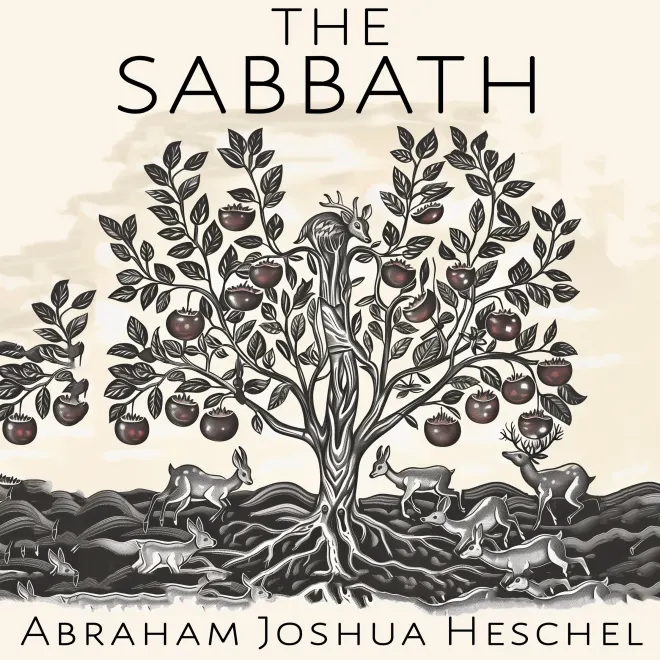
To prepare for my sermon this Sunday, I’m reading The Sabbath by Abraham Joshua Heschel. He’s the one who taught me what I just shared with you. I find it remarkable that a day of the week is the first thing in all of Scripture to gain the title of holy. It’s not even a one-time event, but one that comes every week: the seventh day. Every seventh day. Sabbath.
Sabbath is a concept largely lost in today’s age. Growing up in the rural south, I caught the tail end of legislative Sabbaths as seen in “blue laws” prohibiting the sale of alcohol in restaurants and liquor stores before noon on Sundays. Depending on your own age, you may remember times when the local grocery store was closed all day Sunday, a practice only championed today by Chick-fil-A.
Some blue laws tell the story of Sabbath better than others. A prohibition of alcohol sales isn’t as convincing as a day off in saying, "This day is about rest.”
Even apart from the creation story, there’s much to like about Sabbath. The regularity of rest is good for all humans. Amazingly, in 1961, the Supreme Court defended the constitutionality of Sabbath, saying that if there are secular justifications for such a practice, they do not violate the First Amendment. Even the highest court in the land recognized that regular rest isn’t religious—it’s human.
However, when we return it to its Scriptural references, it gains a much deeper meaning. At its core, the Sabbath is a set of declarations. A declaration that we don’t have to earn our rest, but instead that rest is a God-given gift; a declaration that we are more than what we produce. Sabbath is about saying the people in our lives deserve our full attention and not our fractured multitasking. Ultimately, Sabbath is a declaration that God is God, and we are not.
In theory, we all know this. We know we need to rest. We tell loved ones to rest. We buy overpriced candles and soaps in the name of rest. In modern times, we call this “self-care.”
But there’s a big difference between self-care and Sabbath. Self-care says, “You’ve earned a break.” Sabbath says, “You don’t have to earn a break.”
So, why don’t we observe the Sabbath as we should? I say “we” because I’m bad at it, too. Maybe it’s one of the sermons I need more than you do. Because I don’t have Sabbath figured out.
But the good news is, God keeps offering it anyway. Every seventh day, whether we’re ready or not.
Grace,
Caleb


Copyright 2026 Village Baptist Church
All Rights Reserved.